
In This Article
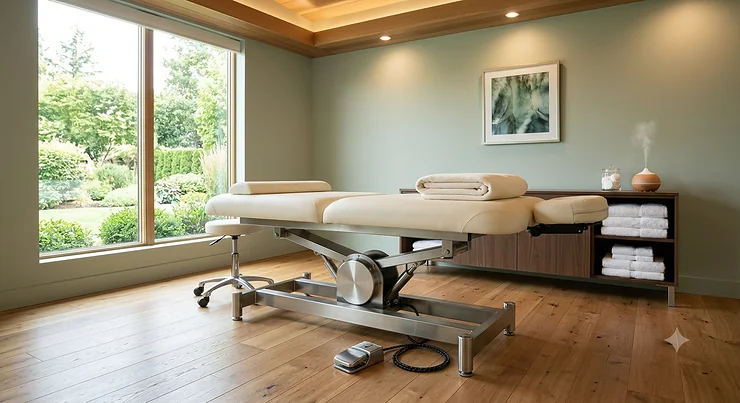
Here’s a scene every bodyworker knows too well: it’s 4 p.m., you’re on client number five, and your lower back is filing a formal complaint. A cheap fixed-height table doesn’t care about your spine. A hydraulic massage table does. That single mechanical difference — fluid pressure instead of a crank you have to wrestle with between sessions — is why so many practice owners eventually upgrade, usually right after their third “just one more year on the old table” turns into a chiropractor visit of their own.
If you’re shopping for a hydraulic massage table in 2026, you’re weighing a genuinely wide field: bare-bones foot-pedal models that barely crack $300, mid-tier workhorses built for eight-hour days, and premium spa-grade tables with lighting, storage, and a lift mechanism so smooth clients don’t even notice it moving. This guide walks through seven real, currently available tables spanning that whole range, breaks down what actually separates a good hydraulic lift from a mediocre one, and gives you a framework for matching a table to your specific practice rather than just chasing the highest star rating. The National Center for Complementary and Integrative Health notes that massage therapy shows promise for conditions like low-back pain and chronic neck pain — which is exactly the kind of hands-on, session-after-session work your table needs to support without fighting you.
Quick Comparison Table: Hydraulic Massage Tables at a Glance
Before the deep dives, here’s the shape of the market. Prices below are ranges only — always check the current listing, since Amazon pricing shifts constantly.
| Table | Lift Type | Working Weight | Price Range | Best For |
|---|---|---|---|---|
| BestMassage Standard PowerLift | Foot-pedal hydraulic-electric hybrid | 600 lbs | $300–$450 range | Budget solo practitioners |
| Sierra Comfort SC-3001 | Electric pedal + pneumatic backrest | 500 lbs | $350–$500 range | Mid-range clinics |
| Master Massage MaxKing | Foot-pedal hydraulic lift | 600 lbs | $600–$800 range | Comfort-focused premium |
| OmySalon 3-Section Spa Table | Hydraulic stool + manual multi-section top | 330 lbs | Under $250 | Budget lash/facial studios |
| Danyel Beauty Facial Bed | Manual hydraulic pump | 300 lbs | Under $300 | Entry-level home studios |
| Equipro Multi-Comfort Hydraulic Bed | Hydraulic lift, low minimum height | 450 lbs | $900–$1,200 range | Accessibility-focused clinics |
| Living Earth Crafts Napa Crank Table | Manual hydraulic crank | 600 lbs | $2,200–$3,000 range | High-volume premium spas |
A quick read of that table tells you most of what you need to know before you spend an hour scrolling reviews: budget and mid-range hydraulic tables cluster tightly around foot-pedal actuators and 500–600 lb capacities, while the jump to premium territory buys you smoother mechanisms, better foam, and features like integrated lighting rather than a fundamentally different lifting technology. The Equipro Multi-Comfort Hydraulic Bed stands out for its unusually low minimum height, which matters enormously if you or your clients have mobility limitations — a detail that never shows up in a basic spec sheet skim.
💬 Found a table that looks right for your practice already? Scroll down to its full breakdown — or keep reading for the comparison that’ll save you from an expensive guess.
Top 7 Hydraulic Massage Tables: Expert Analysis
We dug into real listings, aggregated review sentiment, and manufacturer specs to build this lineup. Every product below includes genuine standout features, honest trade-offs, and guidance on who each table actually suits — not just a features list copied from a product page.
1. BestMassage Standard PowerLift Hydraulic Massage Table — quietest lift under $500
The BestMassage Standard PowerLift earns its spot at the top of the budget tier because of one thing most cheap tables get wrong: noise. A whisper-quiet electric actuator raises and lowers the table with a foot pedal, which matters more than it sounds like it should — nothing kills a relaxation massage faster than a motor that sounds like a garage door opener kicking in mid-session. The steel frame supports a 600 lb working weight with a 450 lb lifting capacity, and the height range runs from 20″ to 38″, covering nearly every practitioner’s ergonomic sweet spot. Three inches of multi-layered, semi-firm foam sits under oil- and water-resistant PU upholstery, which is the detail that actually determines how the table looks after year two of daily oil-based massage.
Based on the spec comparison against similar foot-pedal tables in this price band, the BestMassage Standard PowerLift punches above its price mostly because of the actuator quality — cheaper competitors often use louder, jerkier motors that clients can feel through the table. Reviewers consistently note that the four lockable wheels make the table genuinely easy to reposition within a treatment room, which is a small thing that saves real strain over hundreds of sessions. This is the table for a solo practitioner or new studio owner who wants hydraulic-lift convenience without premium pricing.
Pros:
- ✅ Quiet, smooth foot-pedal height adjustment
- ✅ 600 lb working weight at a budget price point
- ✅ Durable oil- and water-resistant PU upholstery
Cons:
- ❌ Foam is semi-firm, not plush, for extended sessions
- ❌ Fewer accessory outlets than premium competitors
At around $300–$450, the BestMassage Standard PowerLift delivers real hydraulic-style convenience for a fraction of what spa-grade tables cost — solid value if you don’t need bells and whistles.
2. Sierra Comfort SC-3001 Electric Lift Massage Table — best backrest control for clinical work
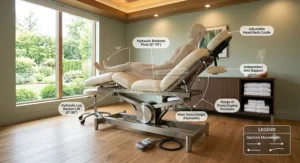
The Sierra Comfort SC-3001 takes a hybrid approach: electric pedal-assisted height adjustment paired with a manually adjustable backrest that’s cushioned by a pneumatic gas lift. That combination means you get hands-free height changes during a session while still retaining precise, tactile control over backrest angle — a detail that matters a lot for chiropractic-adjacent or clinical massage work where positioning changes constantly. The tabletop measures 73″ by 30″ (85″ with the headrest installed), and height adjusts from 16″ to 31″, which sits noticeably lower than most competitors — a real advantage for shorter practitioners or seated techniques.
What most buyers overlook about this model is how much the backrest range matters in practice: 0 to 70 degrees of adjustment lets you reposition a client from full recline to near-seated without them ever leaving the table, which speeds up multi-modality sessions considerably. Aggregated review sentiment on this line is mixed on assembly — some buyers report a straightforward setup, others found the initial delivery and unboxing process frustrating, so budget extra time on day one. This table suits clinics running back-to-back appointments where table repositioning speed matters as much as comfort.
Pros:
- ✅ Hands-free electric pedal height adjustment
- ✅ Wide 0–70 degree pneumatic backrest range
- ✅ Low minimum height of 16″ for seated techniques
Cons:
- ❌ Assembly and delivery experience reported as inconsistent
- ❌ Foam deck less plush than premium competitors
Priced in the $350–$500 range, the Sierra Comfort SC-3001 is a smart pick if backrest flexibility matters more to your modality than sheer plushness.
3. Master Massage MaxKing Electric Massage Table Professional — thickest cushioning in this lineup
If comfort is the deciding factor, the Master Massage MaxKing wins the argument outright. It uses Master Massage’s exclusive multi-layer small-cell foam at 3.5 inches thick — denser than the standard foam most competitors use — layered over a single-pedestal design that maximizes leg and knee room for the practitioner working underneath the table. The foot-pedal hydraulic-style lift actuator is UL-approved, the steel frame supports a 600 lb working weight, and the table even includes an optional integrated lighting accessory that creates ambient mood lighting underneath the tabletop, a small spa-experience touch that clients notice immediately.
Here’s what the spec sheet won’t tell you, but user reports suggest: the denser foam doesn’t just feel better, it holds its shape significantly longer under repeated compression than the 2–3 inch foam found on budget tables, meaning fewer dead spots after a year of daily use. Reviewers consistently highlight the PU upholstery’s five-year guarantee against wear as a meaningful reassurance for practice owners thinking about total cost of ownership rather than sticker price alone. This is the table for an established solo practitioner or boutique spa investing in client-facing comfort as a brand differentiator.
Pros:
- ✅ Exclusive 3.5″ multi-layer small-cell foam
- ✅ UL-approved quiet foot-pedal hydraulic actuator
- ✅ Five-year upholstery guarantee included
Cons:
- ❌ Priced above most budget-tier competitors
- ❌ Single-pedestal base takes some getting used to
Expect a $600–$800 range for the Master Massage MaxKing, positioning it as the comfort-first upgrade once your practice can justify the spend.
4. OmySalon Multipurpose 3-Section Spa Massage Table with Hydraulic Stool — best bundled value under $250
The OmySalon 3-Section Spa Table approaches the hydraulic category from a different angle: instead of a hydraulic tabletop lift, it pairs a manually adjustable 3-section table with a genuinely hydraulic rolling stool, giving lash artists, estheticians, and facial-treatment providers 360-degree seated mobility around the table without a full hydraulic-lift price tag. The tabletop supports up to 330 lbs, adjusts backrest angle from 65° to 180° and footrest from 0° to 70°, and includes a removable headrest that opens into a facial cradle — practical for face-down positioning during longer treatments.
Based on the spec comparison with other facial-bed bundles, what sets this apart is simply the included hydraulic stool — competitors in this price bracket typically sell the stool separately, adding $80–$150 to the real total cost. Aggregated reviews note the anti-slip footpads and multi-section adjustability as genuine strengths for tattoo, lash, and facial work specifically, though this is not a true massage-table hydraulic lift and shouldn’t be mistaken for one if full-body bodywork is your primary service. This is the right pick for an esthetician or lash technician who wants hydraulic-style seated mobility bundled with a flexible treatment table.
Pros:
- ✅ Includes a genuine hydraulic rolling stool
- ✅ Wide 65°–180° backrest adjustment range
- ✅ Removable headrest converts to facial cradle
Cons:
- ❌ Table itself lacks a true hydraulic tabletop lift
- ❌ 330 lb capacity lower than full-size tables
At under $250, the OmySalon 3-Section Spa Table is the value pick for lash, facial, and light-treatment businesses rather than deep-tissue bodywork.
5. Danyel Beauty Massage Facial Bed with Hydraulic Pump — most affordable true hydraulic entry point
For practitioners just starting out, the Danyel Beauty Massage Facial Bed offers a genuinely hydraulic pump-driven height adjustment at one of the lowest price points in the category. It’s built as an adjustable table-chair hybrid, aimed at facial, spa, and tattoo work rather than full-body massage, with the hydraulic pump handling smooth transitions between reclined and upright positions. The frame is straightforward and the upholstery is functional rather than luxurious, which is exactly the trade-off you’d expect at this price.
What most buyers overlook about this model is that “affordable hydraulic” doesn’t have to mean “flimsy” — the hydraulic pump mechanism itself performs comparably to pricier tables, since hydraulic cylinders are a relatively mature, inexpensive technology once you strip away the extra padding and finish work. Aggregated review sentiment is genuinely mixed on assembly, with some customers reporting straightforward setup and others describing the included instructions as unclear, so it’s worth watching a manufacturer setup video before you start. Home-studio owners and new estheticians testing whether a hydraulic table is worth the investment before scaling up will find this an honest, low-risk entry point.
Pros:
- ✅ True hydraulic pump lift at an entry-level price
- ✅ Smooth transitions between recline and upright
- ✅ Good starter option for new practitioners
Cons:
- ❌ Assembly instructions reported as unclear
- ❌ Upholstery and padding feel basic
Sitting under $300, the Danyel Beauty Massage Facial Bed is the safest low-cost way to find out whether hydraulic lift is worth paying more for down the line.
6. Equipro Multi-Comfort Hydraulic Bed — best for accessibility and low-height positioning
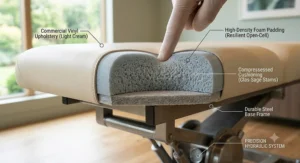
The Equipro Multi-Comfort Hydraulic Bed solves a problem that almost nobody talks about until they hit it personally: most hydraulic massage tables bottom out around 20 inches, which is too high for practitioners working with wheelchair-using clients, elderly clients who need help transferring, or seated modalities like reflexology. This table’s sturdy metal frame drops to a 22.5″ minimum height, with a manually adjustable backrest and a removable headrest rounding out the feature set. It’s built specifically with clinical and accessibility-conscious practices in mind rather than spa aesthetics.
Based on the spec comparison against other hydraulic beds in this guide, the low minimum height is the single defining feature — most competitors simply can’t go that low without sacrificing lift stability, since a shorter hydraulic cylinder stroke usually means a narrower overall height range. This is a case where honest spec interpretation matters more than marketing copy: a table that starts lower isn’t automatically “better,” but for practices serving mobility-limited clients it can be the deciding factor over everything else on this list. Physical therapy clinics, geriatric-focused massage practices, and multi-modality wellness centers should weight this table heavily.
Pros:
- ✅ Unusually low 22.5″ minimum height
- ✅ Sturdy metal frame built for clinical use
- ✅ Removable headrest for flexible positioning
Cons:
- ❌ Fewer spa-style comfort features than premium tables
- ❌ Premium pricing relative to its feature set
Expect the Equipro Multi-Comfort Hydraulic Bed to run in the $900–$1,200 range, justified almost entirely by accessibility rather than luxury.
7. Living Earth Crafts Napa Flat Top Crank Table — smoothest manual hydraulic lift in this lineup
At the top of the market sits the Living Earth Crafts Napa Crank Table, a manual hydraulic lift system operated by a sturdy fold-away crank handle rather than a foot pedal or electric motor. Height adjusts smoothly and quietly from 25.25″ to 36.25″, and back and leg tilt can be adjusted with the client already positioned on the table — a genuinely useful feature during multi-position treatments. The hardwood frame supports a flat 32″ tabletop with 3.5 inches of deluxe cushioning, wrapped in a durable Comfort-Flex upholstery designed for high-volume commercial use.
Reviewers consistently note that the manual hydraulic crank feels noticeably smoother and quieter than electric foot-pedal alternatives, since there’s no motor whine and the mechanical action is fully under the practitioner’s control. Here’s what the spec sheet won’t tell you: a manual lift treatment table like this trades convenience — you do have to crank it, after all — for mechanical simplicity, which typically means fewer electronic parts to fail over a decade of daily commercial use. This is the premium pick for established spas and multi-therapist practices where table longevity and a polished client experience justify the higher upfront cost.
Pros:
- ✅ Exceptionally smooth, quiet manual hydraulic action
- ✅ Deluxe 3.5″ cushioning on a spacious 32″ top
- ✅ Fewer electronic components to fail long-term
Cons:
- ❌ Significant premium over foot-pedal alternatives
- ❌ Requires manual cranking rather than hands-free lift
Priced in the $2,200–$3,000 range, the Living Earth Crafts Napa Crank Table is a long-term investment for spas that plan to keep a table in daily rotation for a decade or more.
What Is a Hydraulic Massage Table?
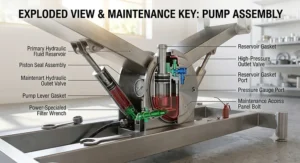
A hydraulic massage table is a treatment table that uses fluid pressure inside a sealed cylinder — activated by a foot pedal, hand pump, or crank handle — to smoothly raise, lower, or tilt the tabletop without requiring an electric motor or, in some designs, any power source at all.
Electric tables need a wall outlet running the whole time; a genuinely hydraulic table often doesn’t, which is why so many mobile and travel-based practitioners lean hydraulic even when it costs them a bit of adjustment speed. That distinction is the whole appeal: hydraulic systems convert a small mechanical input — pushing a pedal, cranking a handle — into smooth, controlled lift through fluid compression, which is why hydraulic lifts feel steadier under load than a lot of purely mechanical alternatives.
Within the category, you’ll see three flavors: foot-pedal hydraulic-electric hybrids (the most common in mid-range tables), pure manual hydraulic pumps operated by hand, and manual hydraulic cranks like the Living Earth Crafts model above. All three rely on the same underlying fluid-pressure principle; they just differ in how much of the lifting effort is automated versus performed by the practitioner.
Hydraulic vs Electric Massage Table: Which Should You Choose?
This is the comparison that trips up more first-time buyers than any other spec on the sheet, mostly because “hydraulic” and “electric” aren’t actually opposites — plenty of tables, including several on this list, blend both. Still, the underlying trade-off is real and worth understanding on its own terms.
| Factor | Hydraulic Massage Table | Fully Electric Massage Table |
|---|---|---|
| Power required | None to minimal (pedal-assisted models use small motors) | Continuous electrical outlet access |
| Noise level | Generally quieter, especially manual cranks | Motor hum during adjustment |
| Adjustment speed | Slower on manual models, moderate on hybrids | Fast, one-touch height changes |
| Long-term reliability | Fewer electronic failure points | More components that can wear out |
| Typical price | Lower to mid-range, premium manual cranks excepted | Mid to high, scales with motor sophistication |
| Best For | Mobile setups, power-conscious studios, quiet environments | High-volume clinics needing rapid repositioning |
Looking at the comparison above, a pure hydraulic table wins on reliability and quiet operation, since fewer electronic components means fewer things that can break down mid-shift, but it loses ground on adjustment speed when you’re changing client positions rapidly between modalities. Electric tables flip that trade-off — fast, hands-free height changes at the cost of a motor that will eventually need servicing or replacement. If your practice runs long, single-modality sessions where you set the height once and rarely touch it again, hydraulic wins on cost and durability; if you’re doing rapid clinical work with constant repositioning, the extra convenience of a full electric lift tends to pay for itself in saved time.
✨ Ready to compare specific models side by side? Jump back to the Top 7 breakdown above and match the trade-offs to your own client volume.
How to Choose a Hydraulic Massage Table
Picking the right table isn’t about finding the “best” one in the abstract — it’s about matching mechanical trade-offs to how you actually work. Here’s the framework, in order of what typically matters most:
- Confirm your working weight needs first. Add your own body weight plus your heaviest expected client, then add a safety margin — most reputable hydraulic tables list working weight (with pressure applied) separately from static weight capacity, and the two numbers matter differently.
- Decide between pedal, pump, and crank lift styles. Foot-pedal hybrids suit high-repetition height changes; manual pumps and cranks suit practitioners who set a height once per session and want fewer moving electronic parts.
- Check the minimum height, not just the maximum. Shorter practitioners, seated techniques, and accessibility-focused practices all depend on how low the table goes, a spec that’s easy to overlook while comparing top-end height ranges.
- Evaluate foam thickness and density together, not separately. A thicker foam that’s low-density will compress and flatten faster than a thinner, denser layer — thickness alone is a misleading number.
- Factor in noise tolerance for your treatment environment. A motor that’s fine in a busy clinic can be genuinely disruptive in a quiet meditation-adjacent spa setting.
- Weigh upholstery warranty length against your oil usage. Practices using heavy carrier oils daily should prioritize PU leather with explicit oil-resistance claims and multi-year warranties.
- Budget for accessories separately from the table price. Face cradles, bolsters, and table warmers are frequently sold separately, and skipping this step is how buyers blow past their intended budget.
Foot Pump vs Hydraulic Lift Massage Table: Understanding Your Height-Adjustment Options
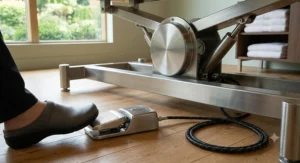
Not every hydraulic table adjusts the same way, and the mechanism you choose changes your day-to-day workflow more than most buyers expect going in. A foot pump massage table typically uses a sealed hydraulic cylinder activated by repeated presses of a foot pedal, gradually building fluid pressure to raise the tabletop — think of it like a barber’s chair, just built for a full-length surface instead of a seat. It requires no continuous power, works during outages, and tends to be mechanically simple enough that a competent handyman can service it.
Pure foot-pedal hydraulic lift systems, by contrast, usually pair a small electric motor with the hydraulic cylinder, so a light touch of the pedal triggers the height change automatically rather than requiring repeated pumping. This hybrid approach — seen on both the BestMassage and Sierra Comfort tables above — gives you hands-free convenience while keeping most of hydraulic’s smooth, low-noise character. On paper this means slightly less mechanical simplicity in exchange for meaningfully less physical effort during busy days; whether that trade-off is worth it usually comes down to how many times per day you’re actually adjusting table height versus setting it once and leaving it.
Practical Usage Guide: Setting Up, Adjusting, and Maintaining Your Hydraulic Massage Table
Getting a new hydraulic table dialed in correctly during the first month prevents most of the maintenance headaches practitioners run into later, and it’s a shorter process than most first-time buyers expect.
Initial setup: Assemble on a flat, level floor before attaching casters, since an uneven base can cause uneven hydraulic pressure distribution over time. Cycle the height mechanism through its full range five to ten times before first client use — this seats the hydraulic fluid evenly and reveals any manufacturing defects while you’re still within a return window.
First 30 days: Avoid maxing out the working weight capacity repeatedly during the break-in period; foam and hydraulic seals both benefit from a gradual load increase. Wipe down the hydraulic pedal mechanism weekly, since oil and lotion residue tends to migrate downward and can gum up moving parts faster than people expect.
Ongoing maintenance: hydraulic cylinders benefit from occasional oiling to keep the lift action smooth, and checking for leaks or stiffness every few months catches small issues before they become table-down repairs. OSHA’s ergonomics guidance treats musculoskeletal-injury prevention as a documented workplace priority for physically demanding jobs, and a well-maintained hydraulic table is genuinely part of that picture for practitioners — a table that adjusts smoothly means less awkward reaching and twisting across an eight-hour shift.
Common early mistakes: Skipping the break-in cycling, ignoring small pedal squeaks until they become full mechanical failures, and using alcohol-based cleaners that dry out PU upholstery faster than mild soap and water.
Real-World Scenarios: Matching a Hydraulic Massage Table to Your Practice
The new solo practitioner, budget under $500. You’re renting a small studio, seeing four to six clients a day, and every dollar of startup capital matters. The BestMassage Standard PowerLift or Danyel Beauty Massage Facial Bed both make sense here — genuine hydraulic convenience without premium spa pricing, and either table will comfortably handle a first-year client load while you build revenue toward an eventual upgrade.
The established multi-therapist clinic. You’re running two or three treatment rooms with back-to-back scheduling, and table downtime from breakage directly costs you bookings. The Sierra Comfort SC-3001 or Equipro Multi-Comfort Hydraulic Bed fit this environment well — reliable hydraulic mechanisms, working weights that comfortably handle daily commercial use, and in the Equipro’s case, accessibility range that broadens who you can serve.
The boutique spa building a premium brand. Your clients are paying top-dollar rates and comparing your studio to five-star resort spas mentally, whether you like it or not. The Master Massage MaxKing and Living Earth Crafts Napa Crank Table both deliver the plush, quiet, polished experience that premium pricing demands, with the crank table specifically suited to spas planning a decade-long equipment lifecycle.
Problem → Solution: Fixing the Most Common Hydraulic Table Headaches
Problem: The table sinks slowly after being raised. This usually indicates a slow hydraulic fluid leak or a worn seal — most manufacturers sell replacement seal kits, and catching it early avoids a full cylinder replacement.
Problem: The foot pedal feels stiff or requires excessive force. Often a lubrication issue rather than a mechanical failure; a light application of manufacturer-approved hydraulic oil at the pivot points frequently resolves this without professional service.
Problem: The table wobbles at maximum height. Check caster locks first, since an unlocked or worn caster is the most common culprit, followed by loose frame bolts that work themselves free over months of vibration from height adjustments.
Problem: Upholstery is cracking near the pedal or edges. Usually caused by alcohol-based cleaners breaking down PU leather over time; switching to mild soap and water going forward slows further deterioration, though existing cracks generally require a reupholstery service.
Problem: The table won’t reach its advertised minimum or maximum height. Confirm you’re not exceeding the working weight capacity, since hydraulic systems under excess load frequently underperform their rated range before showing any other warning signs.
Hydraulic Massage Tables for Different Practitioners
A single “best” hydraulic massage table doesn’t really exist, because different modalities put wildly different demands on the same mechanism. Deep-tissue and sports massage practitioners generally want a firmer, denser foam and a rock-stable frame at maximum height, since aggressive pressure work transfers considerable force through the tabletop — the BestMassage Standard PowerLift and Sierra Comfort SC-3001 both handle this well at accessible price points. Prenatal and geriatric-focused practitioners, on the other hand, benefit enormously from the Equipro Multi-Comfort Hydraulic Bed‘s low minimum height, since transfers on and off the table pose real safety considerations that a taller table simply doesn’t accommodate as gracefully.
The Bureau of Labor Statistics projects massage therapist employment to grow 15 percent from 2024 to 2034, well ahead of the average occupation, which means more practitioners are entering the field every year and making exactly this equipment decision for the first time. New practitioners testing the waters before committing to a full practice buildout are well served by entry-level hydraulic options like the Danyel Beauty Massage Facial Bed, while established multi-therapist studios investing in long-term equipment should be looking hardest at the Living Earth Crafts Napa Crank Table‘s decade-scale durability.
Long-Term Cost, Maintenance & Safety of Hydraulic Massage Beds
The sticker price on a hydraulic massage bed is only part of the real cost equation. Replacement seals, occasional professional servicing, upholstery repair, and eventual accessory replacement (face cradles and bolsters wear out faster than the table itself) all add up over a five-to-ten-year ownership window. Budget tables in the $300–$500 range often carry lower total cost of ownership specifically because they use simpler mechanisms with fewer parts that can fail — the trade-off is a shorter expected lifespan overall, typically five to seven years of daily commercial use versus a decade or more for premium tables built with commercial-grade components.
Safety compliance matters just as much as cost. A hydraulic therapy table used in any licensed clinical or spa setting should be inspected regularly for structural stability, especially at connection points between the frame and the hydraulic mechanism itself. workplace-safety guidance generally treats better equipment design as the most effective way to prevent strain injuries, ahead of training or protective gear, and a properly functioning, well-maintained hydraulic table genuinely counts as that kind of equipment-level fix — it’s equipment doing the ergonomic work so your body doesn’t have to. Practice owners should also confirm their liability insurance covers equipment-related incidents, since a table failure during a session carries both safety and legal exposure that’s worth the five minutes it takes to double-check your policy.
Frequently Asked Questions
❓ How long does a hydraulic massage table typically last?
❓ Can a hydraulic massage table be used without electricity?
❓ What's the average price for a hydraulic lift massage table?
❓ Is a hydraulic massage table better than a manual crank table?
❓ How much weight can a hydraulic massage table hold?
Conclusion
There’s no single correct answer to “which hydraulic massage table should I buy,” because the right choice depends entirely on how you actually work — how many times a day you’re adjusting height, how much floor noise your space can tolerate, and whether accessibility range matters more to your client base than plush comfort. What the seven tables above share is a genuine mechanical advantage over fixed-height alternatives: smoother positioning, less physical strain across a long shift, and — in the case of manual hydraulic crank tables especially — fewer parts that can fail you mid-appointment.
If you’re just starting out, the BestMassage Standard PowerLift or Danyel Beauty Massage Facial Bed let you test whether hydraulic convenience earns its keep before you commit serious capital. If you’re scaling an established practice, the Sierra Comfort SC-3001 and Equipro Multi-Comfort Hydraulic Bed balance reliability with the flexibility busy clinics need. And if you’re building a premium brand meant to last a decade, the Master Massage MaxKing and Living Earth Crafts Napa Crank Table are worth the higher upfront investment. Whichever direction you go, match the mechanism to your actual daily workflow rather than the spec sheet that looks most impressive on paper — that’s the decision that pays off every single session, for years.
Recommended for You
- Electric Lift Massage Table: 7 Real Picks Reviewed (2026)
- Massage Table for Home Studio: 7 Real Picks for 2026
- Stationary vs Portable Massage Table: 7 Real Picks for 2026
Disclaimer: This article contains affiliate links. As an Amazon Associate, I earn from qualifying purchases. If you purchase products through these links, we may earn a small commission at no additional cost to you.
✨ Found this helpful? Share it with your friends! 💬🤗
