In This Article
Most new service lines die in the planning stage, not the treatment room. Somebody prices a shiny piece of equipment, gulps, and shelves the idea for another year. Cupping doesn’t have to play that game. A starter kit can cost less than a dinner out, and that turns a “big bet” into a cheap experiment.

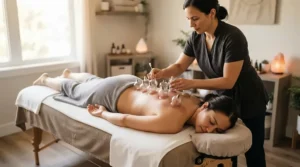
That’s the whole premise behind cupping sets under $50 for massage clinics: low-risk gear for testing client demand before you commit real money or floor space. In short, these are suction cups, silicone or plastic, that create a gentle vacuum on the skin for static holds or gliding passes. The National Center for Complementary and Integrative Health notes that dry cupping doesn’t pierce the skin and leaves temporary marks. It also warns that using the same equipment on more than one person without sterilization can spread bloodborne diseases such as hepatitis B and C. Keep that second point in your back pocket, because it shapes almost every buying decision below.
Here is how this guide works. It compares seven real sets using their published specs, aggregated buyer-review sentiment, and independent roundups. It is not based on hands-on testing, and where a set’s review base couldn’t be verified, the article says so. Prices move constantly on Amazon, so treat $50 as the research-time ceiling, use the ranges you see here, and check current price before you click “buy.”
If you’re weighing an affordable cupping starter set for clinics, the table below is your cheat sheet.
Quick Comparison: 7 Cupping Sets Under $50 for Massage Clinics at a Glance
| Pick | Cups & Material | Suction Style | Best For |
|---|---|---|---|
| Hansol 17-Cup Cupping Set | 17 plastic cups | Hand pump + extension tube | Widest size range on a tight budget |
| AIKOTOO 12-Cup Cupping Kit | 12 plastic cups, 2 curved | Hand pump + extension tube | Joint work and low-risk trials |
| ELERA 7-Cup Silicone Set | 7 silicone cups | Squeeze | Sliding technique inside a massage |
| Lure Essentials EDGE 4-Cup Set | 4 silicone cups | Squeeze | Dynamic cupping with minimal clutter |
| Lure Essentials Chakra 8-Cup Set | 8 silicone cups, 4 sizes | Push-flip squeeze | Small, bony, and curved areas |
| KS Premium 19-Cup Set | 19 plastic cups, 5 sizes | Hand pump + case | High-volume rooms that sanitize often |
| ASCLE Super 12-Cup Set | 12 shockproof cups, 4 sizes | Hand pump + case | Busy rooms with rough daily handling |
Looking at the comparison above, the pump-based plastic sets win on cup count and measurable suction, while the silicone sets win on speed and simplicity. A clinic doing mostly sliding work will feel the difference immediately: squeeze cups glide, pump cups hold. If you’re unsure which style you’ll use more, the AIKOTOO and ELERA make the cheapest pair of “try both” options, and the sections below explain how to build that kind of two-style trial without overspending.
💬 Just one click — help others make better buying decisions too!😊
Top 7 Cupping Sets Under $50 for Massage Clinics: Expert Analysis
Each pick below gets the same treatment: what the specs mean in a treatment room, who it suits, what real buyers keep saying, and where it falls short.
1. Hansol 17-Cup Cupping Set — widest cup range for the money
Seventeen cups isn’t a flex; it’s coverage. The Hansol 17-Cup Cupping Set (model HS-CV-17) pairs plastic cups in multiple diameters with a pistol-grip hand pump, an extension tube, and a carry case. One kit can cover a broad back, a hamstring, and a forearm without borrowing from a second set.
The pump matters more than the cup count. Because you build suction stroke by stroke, you can start light on a nervous first-timer and increase gradually, which is harder with squeeze-style silicone. The extension tube keeps the pump hand comfortable while the cup sits somewhere awkward.
Based on the spec comparison, the Hansol suits clinics planning static holds with repeatable pressure. One catch: the listing is pitched at home users, so your clinic, not the manufacturer, owns the cleaning protocol. Listings under the same brand also exist with 10, 19, and 30 cups, so match the exact SKU.
Aggregated buyer sentiment is strong: about 4.6 stars across roughly 3,500 ratings on the listing reviewed. Reviewers consistently report strong suction and long service life (one says they repurchased after about a decade). A self-described massage therapist reviewer stresses that cupping shouldn’t be attempted without proper training.
Pros:
- ✅ Large cup range covers small and large anatomy
- ✅ Pump gives graduated, adjustable suction
- ✅ Carry case keeps the kit organized
Cons:
- ❌ Marketed for home use, not clinics
- ❌ Pump and tubing add parts to clean
Price: confirm the current price, which typically sits in the upper half of the sub-$50 conversation. Value verdict: the best “one box does everything” buy here.
2. AIKOTOO 12-Cup Cupping Kit — curved cups for joints at a low price
Flat cups hate knees. The AIKOTOO 12-Cup Cupping Kit includes two curved cups built for joint contours, plus a hand pump, an extension tube, and a gua sha tool in some listing versions. That curved geometry is the standout, because it lets you seal around the elbow, knee, or shoulder where a standard rim leaks.
Size mixes differ between listings (anywhere from roughly six to eight diameters), so check the exact variant. The pump gives gentle-to-strong control, and the maker’s listing claims the cups survive multi-foot drops, which is a manufacturer claim worth treating as marketing.
On paper, this is the lowest-regret way to try pump-style cupping. Independent roundups say it delivers solid suction for the price, and reseller listings put it in the mid-$30s to mid-$40s range. I could not verify a meaningful pool of individual customer reviews for this set, so the sentiment here comes from editorial roundups rather than buyers.
Pros:
- ✅ Curved cups seal on joints and contours
- ✅ Pump control from gentle to strong
- ✅ Priced for low-stakes service trials
Cons:
- ❌ Cup mixes vary between listing versions
- ❌ Verified customer-review data is thin
Price: mid-$30s to mid-$40s at resellers; check current price. Value verdict: a smart trial buy, as long as you confirm the variant.
3. ELERA 7-Cup Silicone Set — silicone that glides through a massage
Silicone changes the rhythm of a session. The ELERA 7-Cup Silicone Set (large, medium, small) is a squeeze-to-seal kit with no pump, no tubing, and no cracking plastic. You press, place, and glide with oil, which fits neatly into a normal massage flow.
The manufacturer claims medical-grade silicone, and roundups describe the cups as firm. That firmness helps with sliding passes but means suction depends on your grip, so expect some hand fatigue across a full day of clients.
The ELERA works best as a sliding add-on rather than a deep static-hold specialist. A roundup editor notes it holds its own on suction yet delivers less than some other silicone options, and a reviewer who tried it echoes the idea that it’s easy to weave into massage but not ideal for dedicated cupping sessions.
Buyer sentiment is positive overall: about 4.4 stars across roughly 7,800 ratings. Reviewers say it’s easy to use and well made, and one cites a licensed physical therapist demonstrating it for both static and sliding work.
Pros:
- ✅ No pump or tubing to clean
- ✅ Can’t shatter or crack like glass
- ✅ Fits easily into existing massage routines
Cons:
- ❌ Less suction than pump-style plastic
- ❌ Hand fatigue across busy days
Price: sub-$50 range per buying guides; check current price. Value verdict: the safest silicone entry point.
4. Lure Essentials EDGE 4-Cup Set — the most-reviewed silicone starter
Four cups, one clear mission. The Lure Essentials EDGE 4-Cup Set is a compact kit of BPA-free silicone cups in graduated sizes, built for lymphatic-style gliding, myofascial work, and cellulite-focused treatments.
With over 12,000 reviews and a roughly 4.4-star average according to roundups, it’s among the most battle-tested silicone sets on Amazon. That review volume is the real selling point for a skeptical clinic owner.
The analysis cuts two ways. Four cups handle one-sided work comfortably, but you’ll want a second set for symmetrical work on both sides of the body at once. One reviewer was disappointed that their order arrived as single cups and not matched pairs. Others report the cups are durable, clean easily, and hold up to oils, while several describe them as great for dynamic cupping and weaker for static holds.
The EDGE works well as a “gateway set” for therapists who want cupping to feel like an extension of massage, not a new modality.
Pros:
- ✅ Huge review base builds buyer confidence
- ✅ Cleans easily and tolerates oils
- ✅ Light and portable for mobile therapists
Cons:
- ❌ Four cups limit bilateral work
- ❌ Reviewers find static suction limited
Price: typically within the sub-$50 band; check current price. Value verdict: low risk, low commitment.
5. Lure Essentials Chakra 8-Cup Set — made for bony, curved areas
Knees, ankles, wrists, and hands are where large cups go to die. The Lure Essentials Chakra 8-Cup Set packs eight silicone cups in four sizes with a push-flip suction mechanism designed for muscle knots, joints, arms, and feet.
The smaller cups mean you can seal where the EDGE won’t. The listing also mentions embedded “negative ion beads,” which is marketing language; there’s no evidence in the material reviewed that they do anything clinically useful, so ignore it when comparing value.
Buyers praise the size variety for beginners and say these cups stay put on joints and bony areas. One reviewer notes a sharper inner edge than other silicone cups, while another reports less bruising than they got elsewhere. Check the rim feel on your first client-free practice session.
For clinics, the Chakra makes the best second set: pair it with a larger-cup set and you cover the whole body. I couldn’t confirm a clean star rating for this specific listing, so treat the sentiment as anecdotal.
Pros:
- ✅ Small cups seal on joints and extremities
- ✅ Eight cups give flexible placement options
- ✅ Silicone is quiet and easy to clean
Cons:
- ❌ Sharper inner rim edge per reviewers
- ❌ Likely priced near the top of this budget
Price: verify before ordering, since it may hover near the $50 line. Value verdict: best as a companion set.

6. KS Premium 19-Cup Set — boil-safe with the largest review pool
If sanitation anxiety keeps you up, this is the one to read twice. The KS Premium 19-Cup Set offers 19 plastic cups across five sizes, a hand pump, and a professional carrying case. Roundups note the cups can be safely boiled, which isn’t true of every plastic set.
Boil-safe is a bigger deal than it sounds. A cup you can heat-treat gives you a cleaning option that doesn’t rely entirely on chemical disinfectants. Confirm the exact boiling guidance from the manufacturer first, because “safe to boil” claims vary in their details.
Roundups report over 14,000 reviews and a roughly 4.7-star rating, and some say physical therapists and acupuncturists commonly recommend it. Treat that as secondary evidence, since it comes from affiliate-style reviews and not a clinical source.
For a multi-therapist clinic, the KS Premium makes sense because you can assign cups per client or rotate stock through disinfection. The tradeoff: more cups means more parts to track.
Pros:
- ✅ Boil-safe cups simplify sanitation
- ✅ Five sizes with a large cup count
- ✅ Carrying case protects the kit
Cons:
- ❌ Price often near the $50 ceiling
- ❌ More pieces to count and clean
Price: check current price; it can hover at the edge of this budget. Value verdict: best for higher-volume rooms.
7. ASCLE Super 12-Cup Set — shockproof cups for rough daily handling
Clinics are hard on equipment. The ASCLE Super 12-Cup Set is listed as shockproof, heatproof, and boiling-water safe, with 12 cups in four sizes and a water-resistant carrying case. The listing also claims a 7-foot drop test.
That durability story matters when cups travel between rooms or in a therapist’s bag. A roundup editor also called its suction the strongest of any set reviewed in this price range, though that’s a single editorial opinion and not a consensus.
On analysis, the ASCLE suits clinics that prize toughness and quick turnover. Four sizes is fewer than the Hansol or KS Premium, so you trade variety for ruggedness. I couldn’t verify a large pool of individual customer reviews for this listing, so lean on the manufacturer’s claims with healthy skepticism and run your own drop-and-boil check.
Pros:
- ✅ Listed as shockproof and heatproof
- ✅ Boil-safe cups simplify sanitation
- ✅ Water-resistant case travels well
Cons:
- ❌ Only four cup sizes
- ❌ Verified customer-review data is limited
Price: verify current price; it may sit close to the ceiling. Value verdict: a durability play for busy rooms.
| Product | Cups | Material | Suction | Rating Signal | Best For |
|---|---|---|---|---|---|
| Hansol 17-Cup Cupping Set | 17 | Plastic | Pump | ~4.6 (3,500+ ratings) | All-around static work |
| AIKOTOO 12-Cup Cupping Kit | 12 | Plastic | Pump | Not verified | Joints, budget trials |
| ELERA 7-Cup Silicone Set | 7 | Silicone | Squeeze | ~4.4 (7,800+ ratings) | Sliding add-ons |
| Lure Essentials EDGE 4-Cup Set | 4 | Silicone | Squeeze | ~4.4 (12,000+ reviews) | Gentle gliding |
| Lure Essentials Chakra 8-Cup Set | 8 | Silicone | Push-flip | Not verified | Small, bony areas |
| KS Premium 19-Cup Set | 19 | Plastic | Pump | ~4.7 (14,000+ reviews) | Higher-volume rooms |
| ASCLE Super 12-Cup Set | 12 | Plastic | Pump | Not verified | Durability and travel |
Price note: the AIKOTOO sat in the mid-$30s to mid-$40s at resellers; confirm every other price directly before purchasing. Ratings change often.
The table makes one pattern obvious: the three silicone sets and the four pump sets answer different questions. Silicone buyers pay for simplicity and gliding. Pump buyers pay for control and cup count. The KS Premium and Hansol have the deepest review support, while the AIKOTOO, Chakra, and ASCLE deserve a closer look at the exact listing before you commit.
✨ Don’t Miss These Exclusive Deals!
🔍 Take your service menu to the next level with these carefully selected sets. Click on any highlighted item to check current pricing and availability. These tools can help you build a low-risk cupping add-on your clients will actually rebook!
Your First 30 Days with a New Cupping Set: Setup, Cleaning, and Session Flow
Unboxing is the easy part. The first month is where good intentions meet real clients, so build a routine before the first booking.
Week 1 is for you, not clients. Wash new cups with soap and water per the manufacturer’s directions, then inspect for cracks, warped rims, and loose gaskets. Practice suction levels on yourself or a willing colleague until you can feel the difference between light and aggressive pressure.
Week 2 is for conservative first sessions. Use plenty of lubricant for sliding work, start with low suction, and keep holds short while you build confidence. Follow the duration guidance from whatever training program you use. Warn clients in advance about temporary marks, since a surprise bruise is the fastest way to lose trust.
Weeks 3 and 4 are for systems. Create a one-page intake that screens for skin conditions, bleeding concerns, and sensitivity. Log which cups you used on which client, and which cleaning step followed. The safety section below covers disinfection in detail.
Common first-month mistakes include using too much suction too early, forgetting lubricant on sliding passes, treating over broken skin, and skipping documentation. Every one of those is preventable with a checklist taped to the wall.

Three Clinic Profiles, Three Smart Starter Buys
Abstract advice is easy. Here are three realistic scenarios, each with a budget, setting, and frequency.
The solo therapist renting a room. Fifteen clients a week, a tiny equipment budget, and a client base that likes deep-tissue work. A silicone set like the ELERA or EDGE slides into existing sessions without extra setup. The cost stays modest, and cleanup is quick between appointments.
The three-therapist sports clinic. Forty-plus sessions a week, athletes with specific trouble spots, and a front desk that wants a rotating schedule. The KS Premium or ASCLE gives enough cups to rotate through disinfection, and boil-safe plastic simplifies sanitation. Add a small silicone companion like the Chakra for wrists and ankles.
The wellness studio testing demand. Low commitment, uncertain interest, and a manager who wants proof before buying more. The AIKOTOO keeps the first purchase inexpensive. Offer cupping as a short add-on for a month, then count bookings.
Each profile starts small, measures real behavior, and expands only if the numbers justify it.
Buyer’s Decision Framework: Which Set Fits Your Room?
Use this simple priority checklist, from first question to last.
- If most of your sessions are sliding massage, choose silicone, because squeeze cups glide without a pump to manage.
- If you want static holds with controlled pressure, choose a pump set like the Hansol or KS Premium, because suction is adjustable stroke by stroke.
- If joints and extremities are your focus, add the Chakra or AIKOTOO, because curved or small cups seal where large rims leak.
- If you run multiple therapists, choose boil-safe sets like the KS Premium or ASCLE, because rotation depends on fast, reliable sanitation.
- If you’re unsure whether clients will buy it, start with the cheapest set that fits your technique, because proof of demand beats premature investment.
What Are Cupping Sets Under $50 for Massage Clinics?
Cupping sets under $50 for massage clinics are budget-friendly kits of suction cups, usually silicone squeeze cups or plastic cups paired with a hand pump, that therapists add to a treatment room without a major purchase. They create negative pressure on the skin for static holds or gliding passes, and they’re sized for testing a service, not outfitting a spa.
The “under $50” ceiling shapes what you get. Buying guides generally place silicone kits up to about $50, with smaller counts costing roughly half that. Plastic pump sets at the very low end are often generic imports with inconsistent quality, which is why brand reputation and review volume matter more than cup count.
Two technique families dominate. Static cupping parks the cup in place. Moving or sliding cupping glides it across oiled skin. Silicone favors the second, pump plastic favors the first, and many therapists eventually own both.
How to Choose a Budget Cupping Set for Massage Practices
A budget cupping set for massage practices should earn its spot through use, not through a long box of accessories. Work through these steps in order.
- Pick your technique first. Sliding work points to silicone; static holds point to pump plastic.
- Check cleanability. Non-porous cups that tolerate disinfectant, or boiling where the maker allows it, simplify your protocol.
- Match cup count to caseload. If you see many clients daily, you need enough cups to rotate through disinfection.
- Look for small sizes. Hands, feet, and joints need cups under two inches.
- Verify the exact SKU. Brand names get reused across 10-, 17-, 19-, and 30-cup variants.
- Read the labeling. A set sold for “home use” is still usable in clinics, but you take on the cleaning and safety responsibility.
- Reserve money for supplies. Oil, disinfectant, and storage count toward the real cost.
Silicone vs Plastic Pump Cups vs Traditional Cupping
| Feature | Silicone Squeeze | Plastic + Pump | Traditional Glass/Fire |
|---|---|---|---|
| Suction control | Grip-dependent | Stroke-by-stroke | Heat-dependent |
| Breakage risk | Very low | Low to moderate | High |
| Cleaning | Simple | More parts | Simple but fragile |
| Learning curve | Gentle | Moderate | Steep, needs training |
| Fire/burn risk | None | None | Real |
| Best For | ELERA, EDGE, Chakra | Hansol, AIKOTOO, KS Premium, ASCLE | Specialists with fire-cupping training |
Reading across the table, fire cupping is a different skill set with a real burn risk, which is why most budget clinics skip it. The Merck Manual describes how traditional cupping heats the air inside the cup and notes it can redden and burn skin. Between silicone and pump plastic, the decision comes down to whether you want gliding ease or adjustable suction. Most clinics that keep cupping long-term end up owning one of each.
Affordable Cupping Starter Set for Clinics: What Belongs in the Kit
An affordable cupping starter set for clinics isn’t just cups. Think of it as a small, complete system that you can replicate in every room.
The core is one pump set and one silicone set. A pump set such as the Hansol or KS Premium covers static work across the body. A compact silicone set such as the EDGE handles gliding. Together they stay close to the sub-$50 spirit if you choose sensibly and watch listings.
Around that core you need a lubricant suited to sliding, disinfectant labeled for your use, clean towels, a labeled bin for used cups, and a simple storage case. Add printed aftercare instructions so clients know what marks to expect. The starter set works best when everyone in the clinic follows the same protocol.
Low Cost Cupping Tools for New Service Lines
The cups are only half the budget story. Low cost cupping tools for new service lines include several small purchases that quietly decide whether the service runs smoothly.
An extension tube (included with several pump sets) saves your wrist on hard-to-reach areas. A spare gasket or replacement cups keep a broken part from cancelling a booking. A cheap labeled tray separates clean cups from used ones, which does more for sanitation discipline than any lecture.
Add a log sheet, disposable gloves if your protocol calls for them, and a laminated cleaning checklist. None of these items is expensive, but skipping them is how a $40 purchase becomes a headache. Think of the tools as insurance for the service line, not extras.
Adding New Treatment Services: Where Cupping Fits
Adding new treatment services only works when they match your clients and your credentials. Cupping fits most naturally as an add-on to deep tissue, sports, or myofascial work, not as a replacement for them.
Be honest about the evidence. An evidence-mapping review of cupping for pain found no high-quality evidence demonstrating efficacy for pain outcomes. It did identify some moderate-quality evidence suggesting possible benefit for low back pain and knee osteoarthritis. That’s a measured finding, and it should shape your marketing: describe sensations and relaxation goals, and avoid promising cures.
Clients often ask for cupping because they’ve seen it elsewhere, which is a legitimate reason to offer a trial. The best positioning is simple: “a complementary technique within your massage,” with clear informed consent and realistic expectations.
Clinic Equipment Trial Budgets: How to Test Cupping Without Risk
Clinic equipment trial budgets work best when they have a start date, an end date, and a decision rule. Treat the first 60 to 90 days as a pilot.
Your equipment line stays under $50. Add a modest line for oil, disinfectant, and storage. The largest cost is usually training, and prices there vary widely, so research programs that fit your license and insurer.
Track a few numbers: how many clients accept the add-on, how many rebook, how long setup and cleanup add to a session, and whether any cups crack or fail. If uptake is low, you’ve lost very little. If uptake is high, you’ve earned the right to invest in a second set or better training.
The goal of a trial budget is to buy information cheaply. Cupping sets under $50 for massage clinics are ideal for that role.
Service Line Expansion: Pricing, Training, and ROI
Service line expansion should feel boring in the best way: predictable costs, clear pricing, and steady uptake.
Here is an illustration, not a forecast. If a cupping add-on earns you $15 above your normal session rate, a set priced in the $40 neighborhood pays for itself in about three sessions. Plug in your own add-on rate and your own set price to check the math.
Long-term cost matters too. Silicone cups eventually stiffen or tear. Plastic pump sets lose gaskets and sometimes crack. Plan replacements as a small recurring line item, and compare “cost per use” across sets with realistic lifespans. A durable set like the ASCLE or KS Premium may cost more up front but spread that cost across many sessions.
Before you scale, confirm scope of practice, malpractice coverage, and local rules, which vary by state and license type. Expansion should follow permission, not precede it.
Safety, Evidence, and Regulations: What Clinics Must Get Right
Cupping is generally low-risk when done well, but “generally” is carrying a lot of weight. The NCCIH cautions that cupping can cause side effects such as skin discoloration, scarring, burns, and infection, and can worsen conditions such as eczema or psoriasis.
Infection control comes first. The CDC’s disinfection guidance classifies equipment that touches only intact skin as noncritical, calling for low-level disinfection. It advises using an EPA-registered hospital disinfectant according to label directions. Always follow the manufacturer’s cleaning instructions and your clinic’s written policy. Clean visible residue first, then disinfect, and retire any cup that cracks or can’t be cleaned properly.
Contraindications deserve a screening step, including broken or irritated skin, bleeding concerns, and certain skin conditions. Avoid wet cupping entirely unless you have specific training and legal authority. Finally, check your state licensing board, insurer, and local health rules before advertising the service.
FAQ
❓ Can massage clinics reuse silicone cups between clients?
❓ Do I need certification to offer cupping in a massage practice?
❓ How many cups does a clinic need to start?
❓ Are plastic pump cups okay for professional use?
❓ What is a realistic trial budget for a new cupping add-on?
Conclusion
Cupping sets under $50 for massage clinics work best when you treat them as a controlled experiment. Pick the style that matches your technique, whether that’s a pump set like the Hansol or KS Premium, a gliding silicone set like the ELERA or EDGE, or a joint-friendly option like the AIKOTOO or Chakra. If durability is your biggest worry, the ASCLE deserves a look. Whatever you choose, verify the exact listing and check current price before you buy.
The real work happens after checkout: a written cleaning protocol, honest client conversations about marks and evidence, and a short trial with clear numbers. The Merck Manual summarizes cupping as a traditional practice with limited evidence for many uses, which is a good reminder to market it modestly and deliver it carefully. Keep your promises small and your cleaning habits strict, and you’ll learn quickly whether this belongs on your menu.
✨ Ready to Test a New Treatment Option?
🔍 Browse the carefully selected sets above, click any highlighted item to check current pricing and availability, and launch your cupping trial with confidence!
Recommended for You
- Cupping Set For Athletes And Recovery: 7 Best Picks (2026)
- Silicone Cupping Set Vs Glass Cupping Set: 7 Best Picks (2026)
- Glass Cupping Set For Traditional Fire Cupping: 7 Best Picks 2026
Disclaimer: This article contains affiliate links. As an Amazon Associate, I earn from qualifying purchases. If you purchase products through these links, we may earn a small commission at no additional cost to you.
✨ Found this helpful? Share it with your friends! 💬🤗
