
In This Article
The silicone cupping set vs glass cupping set debate comes down to one question: how does the suction get made, and who controls it? Silicone cups are flexible vessels you squeeze to create a vacuum. Glass cups are rigid jars that need a flame, a pump or a rubber bulb. The goal is the same, skin drawn gently into a cup, but the workflow, the risks and the daily upkeep couldn’t be more different.
Cupping itself is ancient. Wikipedia’s overview of cupping therapy traces recorded use from ancient Greece to China, where the Taoist herbalist Ge Hong described it in the 4th century. The same page also notes that the American Cancer Society says the evidence doesn’t support claims of health benefits. That’s worth keeping in mind as a practitioner: you’re choosing equipment for a hands-on technique with enthusiastic fans, real critics and a thin research base, so honest client communication matters as much as the cups.
Here’s what this guide does. It compares seven real, currently listed sets, four silicone and three glass, and reads their specs the way a clinic owner would. Which cup survives a Friday-afternoon schedule? Which one forgives a nervous new hire? Which one turns a cleaning routine into a chore?
One honest note up front. This analysis rests on spec sheets, maker instructions, listings and published safety guidance. It does not rest on claimed hands-on testing. Where review data couldn’t be verified, I say so rather than invent it.
Quick Comparison: 7 Cupping Sets at a Glance
Before the deep dive, here’s the whole field on one screen. Price tiers are relative market positions at the time of research, with approximate ranges only where a figure was verifiable. Check current price before buying.
| Product | Material | Suction Method | Kit Contents | Price Range | Best For |
|---|---|---|---|---|---|
| Cupping Warehouse Supreme Deep PRO 6065 | Firm platinum-cured silicone | Hand squeeze | 6 cups (2 L, 2 M, 2 S) in the featured config | Mid-to-premium tier | Experienced therapists doing slow, deep work |
| Cupping Warehouse Supreme Intermediate Pro 5560 | Softer silicone | Hand squeeze | 4 cups (S–XL); 6-cup version exists | Mid-range tier | New practitioners and take-home use |
| Lure Essentials EDGE Silicone Cupping Set | Silicone | Hand squeeze | 4 cups, 1.25–2.75 in | Around the mid-$20s | Mobile therapists wanting a simple kit |
| ELERA 7-Cup Silicone Cupping Set | Silicone | Hand squeeze | 7 cups (2 L, 2 M, 3 S) | Low-$30s range | Multi-cup placements on a budget |
| Royal Massage Fire Glass Cupping Jars | Molded glass | Flame (fire cupping) | Sets of 12–24 jars | Mid-range, varies by set size | Traditional rooms doing stationary fire cupping |
| Nuanchu 12-Piece Glass Fire Cupping Set | Thick glass | Flame (fire cupping) | 12 cups, 4 sizes, finger grips | Budget-to-mid tier | Building out a glass inventory affordably |
| BBTO 4-Piece Glass Cupping Set | Glass with silicone bulbs | Squeeze bulb (fireless) | 4 cups | Under $20 range | Trying glass without a flame |
The table makes one pattern obvious: silicone clusters around hand-squeeze control, while glass splits three ways between flame, bulb and pump. If hill-climbing-level deep suction is your priority, the Cupping Warehouse Supreme Deep PRO 6065 is the silicone answer, and the glass sets answer it with rigidity. Budget-first buyers should note that BBTO 4-Piece Glass Cupping Set is the cheapest way to touch glass at all, but four cups won’t carry a busy schedule.
💬 Just one click — help others make better buying decisions too!😊
Top 7 Picks in the Silicone Cupping Set vs Glass Cupping Set Matchup: Expert Analysis
1. Cupping Warehouse Supreme Deep PRO 6065 — firmest silicone for deep, steady suction
Silicone has a reputation as the gentle option, and this set politely disagrees. The Deep PRO 6065 line is the brand’s harder, sturdier silicone, pitched at experienced therapists who want slow, deep tissue work without lighting a match.
The 6-cup configuration includes two each of large (3 in), medium (2.4 in) and small (1.8 in) accordion-style cups. The brand describes platinum-cured silicone that’s clear enough to watch the tissue. In practice, a firmer wall rebounds less, so the cup holds a vacuum through a longer static hold. Dimensions for “large” differ between this brand’s configurations, so confirm sizes on the exact listing you buy.
Based on the spec comparison, this is a clinician’s tool. You gain deeper pull, but the cup fights your hand until you learn how much to squeeze. New therapists may find the softer 5560 line friendlier.
Reviewer sentiment: I couldn’t verify a meaningful body of review text for this specific configuration, so I won’t paraphrase impressions I can’t source. When you check reviews, scan comments from working therapists for notes on hand fatigue and long-term rebound.
Pros:
- ✅ Firm walls hold deeper, steadier suction
- ✅ Clear silicone helps you watch tissue response
- ✅ No flame, so no burn risk from heat
Cons:
- ❌ Stiff cups tire hands without practice
- ❌ Multiple configurations make size-checking fiddly
Price and value: expect a mid-to-premium tier for silicone (check current price). It’s a fair trade if you need clinic-grade rigidity without fire.

2. Cupping Warehouse Supreme Intermediate Pro 5560 — softer silicone built for beginners
This is the gentler sibling of the Deep PRO line. The brand positions its softer cup for beginners and self-care, delivering medium suction.
The 4-size configuration spans small to extra-large. That XL matters more than it sounds: broad areas like the back and thighs are where small cups fail to earn their keep. A softer wall compresses with less effort, which helps if you’re doing many sessions in a day or training staff who haven’t built hand strength yet.
The analytical take: this set suits sliding techniques and training rooms, and it’s a smart “starter cup” to send home with clients if your practice permits. The trade-off is a lower ceiling. Veterans wanting a tenacious deep hold will hit it quickly.
Reviewer sentiment: verified review text wasn’t available to me for this configuration, so check the 3-star reviews of the exact listing. They usually reveal durability issues faster than five-star praise.
Pros:
- ✅ Softer cups reduce hand fatigue
- ✅ Four sizes including an XL for large muscles
- ✅ Easy upgrade path into the firmer 6065 line
Cons:
- ❌ Suction ceiling may feel tame to experienced hands
- ❌ Several listings make comparison shopping messy
Price and value: mid-range tier (check current price). It earns its place if your practice includes training or take-home use.
3. Lure Essentials EDGE Silicone Cupping Set — the most beginner-proof kit here
Four cups, one zippered bag, zero cables. That simplicity is the whole pitch.
The cups run 1.25, 1.5, 2 and 2.75 inches, which covers a small shoulder muscle through a broad thigh. The maker says the silicone is free from BPA, BPS, phthalates, PVC and latex, and supports static, flash and moving techniques. Care is refreshingly specific: hand wash in warm soapy water, and do not boil or heat the cups. That last instruction rules out any heat-based reprocessing, which clinics should plan around.
My analytical take is that this is the sensible first purchase for a mobile therapist. It packs small, and you can learn the basics of squeeze-and-release without a pump or flame. One buying guide that compared kit contents, not customer reviews, flagged that the largest cups can tire the hand and may pop off curved areas. There’s also only one cup per size, so you can’t treat symmetrical areas simultaneously.
Reviewer sentiment: verified customer-review text wasn’t available during research, so the points above come from maker specs and independent guidance, not shopper quotes.
Pros:
- ✅ Four useful sizes in a compact bag
- ✅ Clear, specific care instructions
- ✅ Supports static and moving techniques
Cons:
- ❌ Largest cup is tiring to squeeze
- ❌ Only one cup per size
Price and value: around the mid-$20s at the time of research (check current price). Strong value for solo practitioners.
4. ELERA 7-Cup Silicone Cupping Set — more cups for simultaneous placements
If the Lure Essentials EDGE Silicone Cupping Set is a fine-dining tasting menu, this is the buffet. Seven cups, two large, two medium and three small, mean you can work both sides of the spine at once.
The listing describes soft, easy-squeeze cups that spring back, with adjustable suction and easy cleaning. Duplicate sizes are the real feature: matching pairs let you treat bilateral areas without swapping or re-sanitizing mid-session. The softness helps beginners but may leave advanced users wanting more bite.
The analytical take: this is a smart “bulk” silicone choice for a new studio. The trade-off is documentation. Exact diameters and care instructions are less clearly specified than Lure’s, so read the supplied sheet before establishing your cleaning routine.
Reviewer sentiment: the 7-cup listing carried an Amazon’s Choice badge in search results at the time of research. Badges change, and they aren’t the same as verified review text, so read recent reviews yourself.
Pros:
- ✅ Matching pairs enable bilateral work
- ✅ Soft cups spring back after each squeeze
- ✅ Three small cups for tight areas
Cons:
- ❌ Less precise sizing information
- ❌ Soft walls may underdeliver on deep suction
Price and value: low-$30s range at the time of research (check current price). Good value per cup.
5. Royal Massage Fire Glass Cupping Jars — clinic-scale jars for traditional fire cupping
Here is where glass stops being a hobby. The maker sells these jars in sets of 12, 15 and 24, which tells you who they’re aimed at: practices running full-back placements all day.
The listings describe medical-grade molded glass, hand-polished to avoid rough edges, with finger-grip patterns on some sets and flat-top options for resting jars after cleaning. A flat top is a small design choice with big workflow value: no rolling jars on the counter. Rigid rims also hold a steady seal for stationary work, which is the traditional strength of glass.
The analytical take is simple. If your treatment style is stationary fire cupping, this is the format that style was built around. But you inherit flame handling, burn risk and breakage risk, and it demands trained hands. Not a “try it Tuesday” purchase.
Reviewer sentiment: I couldn’t verify review text for specific set sizes. Check recent reviews for chip complaints and shipping damage, the usual glass pain points.
Pros:
- ✅ Large set sizes suit busy rooms
- ✅ Rigid rims hold steady stationary suction
- ✅ Flat-top options simplify handling
Cons:
- ❌ Fire cupping needs real training
- ❌ Breakage and chips are ongoing costs
Price and value: mid-range and variable by set size (check current price). Best value arrives with larger sets.
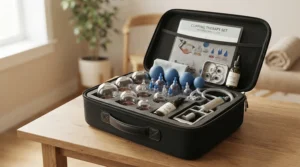
6. Nuanchu 12-Piece Glass Fire Cupping Set — affordable way to build glass inventory
Think of this as the starter fleet for a glass practice. Twelve cups in four sizes, with finger grips, gives you enough variety for most standard placements.
Thick glass lets you see skin response clearly, and finger grips reduce slips when you’re handling cups with oil on your hands, a real-world detail that listings rarely mention. Four sizes cover the essentials, though the jars are on the smaller side compared with the biggest clinic sets.
My analytical take: this is a sensible middle rung between a four-cup trial kit and a 24-jar clinic set. You can add cups gradually. Since glass fails by chipping, plan to buy a few spares from day one rather than discovering you’re short mid-session.
Reviewer sentiment: I couldn’t verify detailed review text during research. The brand also sells a 6-piece two-size version, so make sure reviews match the 12-piece listing.
Pros:
- ✅ Four sizes cover most placements
- ✅ Finger grips help with oily hands
- ✅ Clear glass shows tissue response
Cons:
- ❌ Thin documentation on glass specifications
- ❌ Same flame and breakage demands as other glass
Price and value: budget-to-mid tier (check current price). Solid cost per cup for a growing glass room.
7. BBTO 4-Piece Glass Cupping Set — fireless glass with squeeze bulbs
This is the compromise child: glass cups, silicone bulbs, no flame. Squeeze the bulb, press the cup, release.
The rim is rigid glass, so you get that familiar steady feel, but suction is bulb-controlled like silicone squeezing. Bulbs detach for cleaning, which helps, though loose small parts can disappear into drawers. Handling advice applies: inspect rims for chips before every use and keep cups away from counter edges.
The analytical take: this is the lowest-risk way to test whether you prefer rigid cups. It isn’t a primary clinic kit, since four cups limit throughput. For a new practitioner deciding between silicone and glass, though, it answers the feel question cheaply.
Reviewer sentiment: verified review text wasn’t available to me. Confirm cup diameters on the listing, because the brand also sells a smaller facial glass set under a similar name.
Pros:
- ✅ Glass rims without any flame
- ✅ Bulbs detach for easier cleaning
- ✅ Low entry cost to test the format
Cons:
- ❌ Four cups limit busy-day throughput
- ❌ Glass still chips and breaks
Price and value: under $20 range at the time of research (check current price). Excellent as a trial kit.
Cupping Set Material Comparison for Clinics
A cupping set material comparison for clinics isn’t about which material is “better.” It’s about which failure mode you can live with. Silicone fails by wearing out: thinning, warping, losing rebound. Glass fails by breaking: chipped rims, cracks, sudden shattering.
| Factor | Silicone | Glass |
|---|---|---|
| Suction creation | Squeeze and release | Flame, pump or squeeze bulb |
| Learning curve | Gentle; grip control matters | Steeper, especially with fire |
| Sliding technique | Natural fit | Workable but less forgiving |
| Stationary deep hold | Firm grades hold well; soft grades rebound | Rigid wall holds steadily |
| Visibility | Many sets marketed clear; some silicone can be semi-transparent | Typically clear |
| Failure mode | Warping, tearing, thinning | Chips, cracks, breakage |
| Heat | Do not heat or boil (per Lure) | Used with flame in fire cupping |
| Best For | Mobile work and gliding: Lure Essentials EDGE Silicone Cupping Set, Cupping Warehouse Supreme Deep PRO 6065 | Stationary traditional work: Royal Massage Fire Glass Cupping Jars, Nuanchu 12-Piece Glass Fire Cupping Set |
The table shows that material choice follows technique. Gliding and mobile work favor silicone, while stationary traditional protocols favor glass. Many clinics end up hybrid: a core of glass for fixed placements plus a small silicone kit for sliding and sensitive areas. If you run a single-modality practice, pick for that modality, and avoid buying “one of everything” until your caseload tells you what you actually use.
Suction Method Differences: Squeeze, Flame or Bulb
Suction method differences shape everything downstream: training time, burn risk, consistency. NCCIH explains that negative pressure is created either by flaming the cup to remove oxygen before placement or by attaching a suction device afterward. That sentence quietly covers the entire material debate.
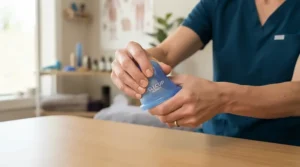
Silicone is the squeeze method. Your finger pressure sets the vacuum, and the Cupping Warehouse Supreme Deep PRO 6065 line is described as squeezable to minimal, moderate and maximum levels. That control is intuitive but variable: tired hands give inconsistent suction by the end of the day.
Glass with flame produces strong, steady suction, but it adds fire handling and the burn risk that NCCIH lists among cupping’s side effects. Glass with a bulb, as in the BBTO 4-Piece Glass Cupping Set, takes the flame out. Pump systems like the KS Choi Premium 19-Cup Cupping Set build vacuum in small increments, which suits multi-cup stationary work.
One more wrinkle: skin swells as it’s drawn into a rigid cup, and rigid cups can loosen. Flexible silicone follows that movement better. Choose the method your staff can execute consistently at 4 p.m. on a double-booked Friday, not at 9 a.m. on day one.
Cup Material Durability: What Survives a Busy Clinic Week
Cup material durability is where listing language gets slippery. “Durable” appears on nearly every product page, so judge by failure modes instead.
High-quality silicone resists deformation under prolonged suction, but lower-grade silicone can warp or thin over time, losing grip. The tells are subtle: cups that seal slower, edges that rebound lazily, or tiny tears near the rim. Heat is silicone’s enemy. Lure explicitly says not to boil or heat its cups, so repeated hot-water habits can shorten life.
Glass can last for years but fails more dramatically. A chipped rim isn’t just a cosmetic flaw. It can break the seal and become unsafe against skin, so damaged cups should be retired. Thick molded glass, like the Royal Massage Fire Glass Cupping Jars describe, improves odds, but it isn’t breakproof.
Here’s a practical framework. Silicone’s cost of failure is gradual and predictable: you notice declining performance. Glass’s cost of failure is sudden: a cup drops, and it’s gone. Budget accordingly, with a sinking fund for glass spares and a replacement schedule for silicone. Remember too that durability claims on listings are marketing claims until your own cups survive your own schedule.
Silicone vs Glass Cupping Maintenance Differences: A Practical Upkeep Guide
Silicone vs glass cupping maintenance differences sound minor until you’re the one scrubbing forty cups at closing time.
Between clients. Most cups contact only intact skin. CDC’s disinfection guidance treats items that touch intact skin as noncritical, calling for low-level disinfection with an EPA-registered product. But NCCIH warns that cupping equipment can become contaminated with blood, even inadvertently in dry cupping, and shared equipment without proper reprocessing can spread bloodborne disease. If a cup touches broken skin or blood, stop treating it as routine and follow your jurisdiction’s stricter protocols.
Silicone upkeep. Wash with warm soapy water. Oils and lotions cling to silicone, so rinse thoroughly and air dry fully before storing. Follow the maker’s heat limits. Lure says no boiling or heating, so check the exact set before using any heat-based method.
Glass upkeep. Smooth glass is easier to inspect for residue, but every rim needs a chip check. Dry cups before storage, and use flat-top or padded storage so jars don’t clink.
Weekly habit. Inspect every cup under good light. Retire the questionable ones. A cleaning routine only works if damaged cups don’t re-enter rotation.
Choosing Cupping Tools for a New Practice: 7 Steps
Choosing cupping tools for a new practice goes best when you decide in this order:
- Confirm scope of practice. Cupping rules vary by state and license type. Check with your licensing board before spending a dollar.
- Define your technique mix. Mostly stationary? Glass. Mostly gliding with oil? Silicone. A mix? Plan a hybrid.
- Pick a suction method your team can master. Flame demands training. Squeeze and bulb systems are gentler to learn.
- Cover at least three sizes. Small for the face and joints, medium for shoulders, large or XL for back and thighs.
- Count cups by turnover. If you reprocess between every client, a handful of cups may do. If you stack back-to-back appointments, you’ll need rotation stock.
- Budget for spares. Glass chips; silicone ages. Aim for a modest buffer from day one.
- Start small, then expand. A starter pairing like the Lure Essentials EDGE Silicone Cupping Set plus the BBTO 4-Piece Glass Cupping Set lets you learn your preference before building inventory.
Practitioner Technique Training: Skills Each Material Demands
Practitioner technique training should match your cups, not the other way around.
Glass fire cupping is the most skill-dependent route. Safe flame handling, timing and rim temperature all matter, and the burn risk NCCIH lists is real. It’s not something to learn from a product listing. Seek formal, hands-on instruction through accredited acupuncture, massage or continuing-education programs recognized by your licensing board.
Silicone is easier to start with, but “easy” isn’t “untrained.” Gliding requires correct lubrication, steady pressure and attention to skin response. Both materials demand screening: NCCIH says cupping may worsen eczema or psoriasis, and traditional sources list skin allergies, ulcers and edema among contraindications.
Some brands bundle basic written instructions. The Cupping Warehouse Supreme Deep PRO 6065 listings, for example, mention instructions by a professional cupping instructor and online videos. Treat that as an introduction, not a certification. Finally, train your team to explain marks to clients, because circular discoloration can alarm patients and other clinicians alike.
Safety, Regulations and Compliance Guide
Safety is where a professional practice separates itself from a hobby. NCCIH lists persistent skin discoloration, scars, burns and infections among cupping’s possible side effects, and notes that marks should be explained to other healthcare providers so they aren’t mistaken for abuse. It also states the research is mostly low quality, with evidence for pain reduction not strong.
That last point has marketing consequences. Avoid promising cures, and describe cupping honestly as a complementary practice with limited evidence. Use written consent, document placement and duration, and screen for skin conditions, bleeding disorders, pregnancy and medical devices.
Fire cupping adds specific duties: keep flammables clear, never place an overheated cup, and have a burn-response plan. Wet cupping involves breaking the skin and sits in a different regulatory and infection-control category entirely. This guide covers dry cupping only. Finally, check state licensing, scope-of-practice rules and local health-department requirements, because they differ widely and I can’t verify them for your location.
Long-Term Cost & Maintenance: Total Cost of Ownership
Sticker price is the least interesting number. Total cost of ownership blends purchase price, replacement rate, cleaning labor and training time.
| Product | Price Tier | Replacement Pattern | Value Verdict | Best For |
|---|---|---|---|---|
| Lure Essentials EDGE Silicone Cupping Set | Mid-$20s range | Gradual wear | Strong for solo practitioners | Starter kit buyers |
| ELERA 7-Cup Silicone Cupping Set | Low-$30s range | Gradual wear | Good per-cup value | Budget multi-placement |
| Cupping Warehouse Supreme Deep PRO 6065 | Mid-to-premium | Slow, if cared for | Worth it for deep work | Experienced clinicians |
| Royal Massage Fire Glass Cupping Jars | Mid-range, by set | Sudden breakage | Best at larger sets | Stationary fire practices |
| BBTO 4-Piece Glass Cupping Set | Under $20 range | Sudden breakage | Cheap test of glass | Format trial |
A cost-per-use sketch makes the point. A set around the mid-$20s used on just eight clients a week covers over 400 sessions in a year, so even annual replacement works out to a few cents per session. The real expense is labor: more cups mean more cleaning, and glass means more spares. Clinics doing high volume should favor the format that minimizes downtime, which is usually whichever one their staff handles fastest.
Real-World Scenarios: Matching Sets to Three Practice Profiles
Scenario 1: The mobile massage therapist. She sees six clients daily across three locations and mostly glides cups over oiled backs. Based on that profile, the Lure Essentials EDGE Silicone Cupping Set fits the bag and the technique, with the Cupping Warehouse Supreme Intermediate Pro 5560 as a second set when appointments stack up.
Scenario 2: The traditional clinic. A licensed practitioner runs stationary protocols on full backs, several times a day. The Royal Massage Fire Glass Cupping Jars in a 12- or 24-jar set suit the format, plus a small silicone kit for faces and tight joints. Budget a spare allowance for chips.
Scenario 3: The startup on a tight budget. With roughly $100 to spend, a practical split is the ELERA 7-Cup Silicone Cupping Set for variety plus the BBTO 4-Piece Glass Cupping Set to test glass. Watch your usage for two months, then invest where the cups actually get used.
Each profile follows the same logic: pick for technique first, volume second, price third.
✨ Ready to Build Your Treatment Room Kit?
🔍 Take your practice to the next level with the sets above. Click any highlighted product to check current pricing and availability, and choose the cups that match your technique, your training and your schedule.
Practical Usage Guide: Your First 30 Days With a New Set
Week 1: calibrate. Practice on yourself or consenting colleagues with the lowest suction that holds. Learn how to release each cup before you ever place one on a client. Cleveland Clinic notes that cupping shouldn’t hurt, though you may feel some skin tightness. Its cupping overview also lists burns from heated cups among the risks and says the round marks typically fade in a week or two.
Week 2: build routine. Time every placement, track which sizes you reach for, and note any cups that seal poorly.
Week 3: refine technique. Use the right lubricant for gliding, and keep stationary holds conservative.
Week 4: audit. Inspect every cup under light, retire questionable ones, and review client feedback on comfort.
Common first-month mistakes: too much suction too early, leaving cups on too long, placing cups over bony or curved areas that won’t seal, and skipping the cup inspection. Stop for pain, burning, blistering or numbness, and don’t place cups over broken, infected or inflamed skin.
Frequently Asked Questions
❓ Is a silicone cupping set or glass cupping set better for beginners?
❓ Can silicone cups be used for fire cupping?
❓ How many cups does a small clinic need?
❓ Are glass cupping sets more likely to break than silicone?
❓ Can I share the same cups between clients?
Conclusion
So, silicone cupping set vs glass cupping set: who wins? Neither, and both. Silicone wins on safety margin, portability and gliding technique, while glass wins on rigidity, tradition and stationary work. The right answer follows your technique, your training and your cleaning capacity.
If you want one place to start, pair a simple silicone kit like the Lure Essentials EDGE Silicone Cupping Set with a low-cost glass trial like the BBTO 4-Piece Glass Cupping Set. Experienced therapists who need firmer suction without fire should look at the Cupping Warehouse Supreme Deep PRO 6065, while beginners may prefer the Cupping Warehouse Supreme Intermediate Pro 5560. Traditional rooms building out glass inventory can scale with the Royal Massage Fire Glass Cupping Jars or the Nuanchu 12-Piece Glass Fire Cupping Set, and budget studios wanting more silicone cups can start with the ELERA 7-Cup Silicone Cupping Set.
Whatever you choose, keep three priorities in view: honest client communication, a reliable cleaning routine and proper training.
Recommended for You
- Glass Cupping Set For Traditional Fire Cupping: 7 Best Picks 2026
- Silicone Cupping Set For Sports Massage Therapists: 7 Proven (2026)
- Stationary Salon Chair For Small Studios: 7 Best Budget Picks 2026
Disclaimer: This article contains affiliate links. As an Amazon Associate, I earn from qualifying purchases. If you purchase products through these links, we may earn a small commission at no additional cost to you.
✨ Found this helpful? Share it with your friends! 💬🤗
